

Residential Security Teams
A residential security team should protect the household while allowing it to feel like home. We plan people, coverage and responsibilities around the family and the property.
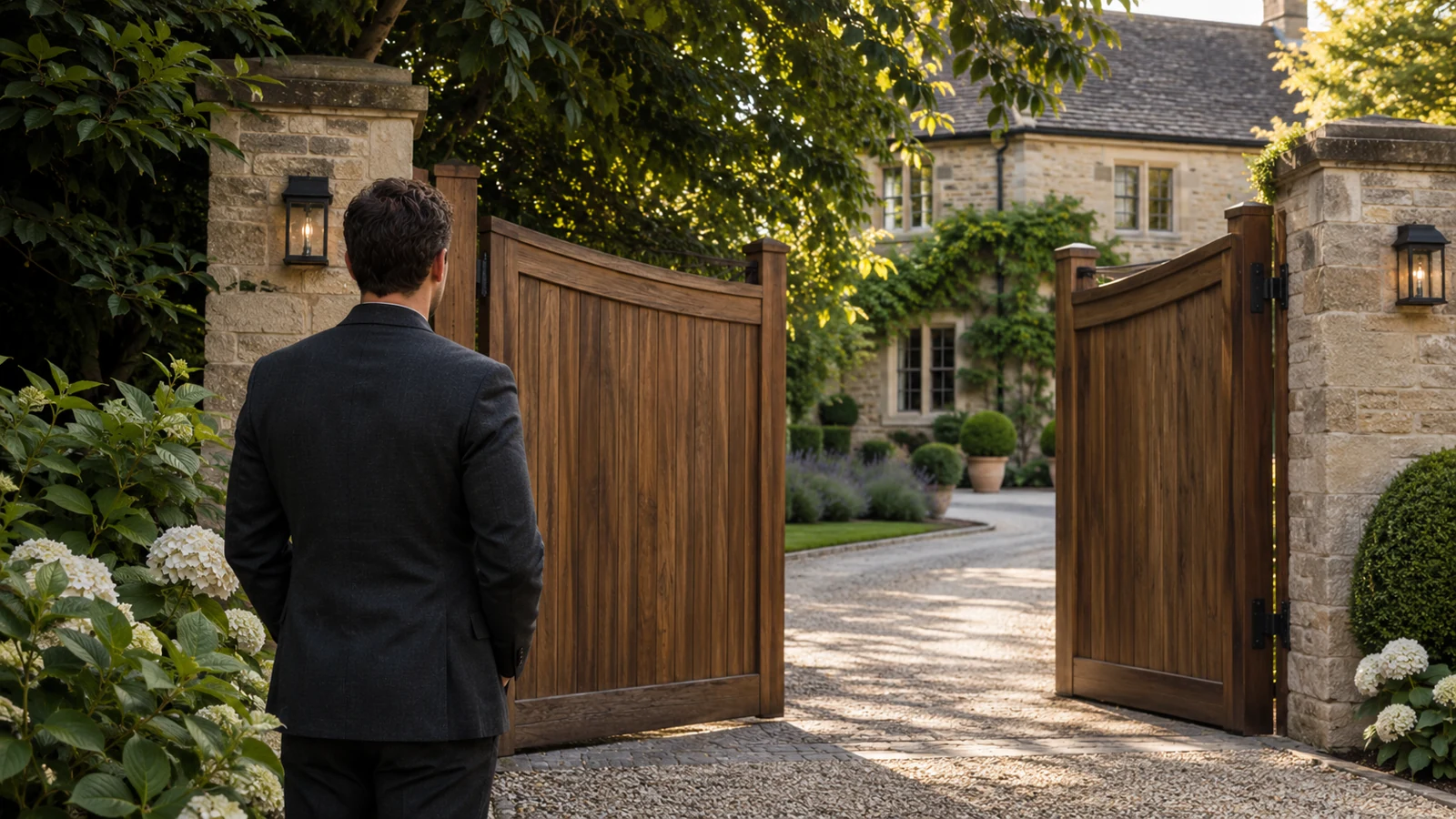
Protection that fits the way your household lives
A concern about the family, a change in public profile or an incident near the home can make existing arrangements feel inadequate. Adding a guard without a clear brief can create a different problem: a visible presence with uncertain responsibilities.
Pegasus Ops plans residential security teams around the people living at the property, the exposure they face and the way the household operates. We discuss who needs protection, when coverage is required and how the team will work with the household manager, caregivers, drivers and existing providers.
A team may be required for an agreed period, a change in circumstances or a longer engagement. Personnel, supervision, accommodation where relevant, reporting and costs are defined before deployment. The size of the property alone does not determine the number of people required.
What the residential team brief needs to cover
Coverage and responsibility
Define the hours, posts, duties and response expected from the team. A residential security plan should explain who takes responsibility during shift changes, breaks, absence and any period outside the agreed coverage.
Household routines
Consider arrivals, children’s routines, staff access, visitors and deliveries with the people who manage them. The aim is a shared understanding of how access is authorised and how a change is confirmed.
Property and existing systems
People need to understand the property and the security arrangements already in place. The brief can connect personnel with gates, alarms, communications and relevant camera coverage, with technical work scoped separately.
Movements beyond the home
A residential team and a close-protection detail have different assignments. When a principal leaves the property, the plan needs to explain whether protection continues, who provides it and how the handover works.

Experience connecting the home with the wider family plan
Our published family-protection case describes an engagement that developed from locating a missing child into residential security and close protection when further concerns emerged. It shows why new information can change the requirement at home.
For a new instruction, we assess the household on its own circumstances. A security risk and threat assessment can help establish the brief. Staff and household vetting may address a separate question about trusted access; it does not replace supervision and clear procedures.
Commissioning a residential security team
Understand the household
Discuss the concern, location, occupancy, routines, existing providers and timing. Agree how site information and sensitive details will be reviewed.
Define the assignment
Set the duties, coverage, supervision, reporting, personnel requirements and costs. Agree any separate property assessment or specialist support before the team starts.
Mobilise and review
Brief the team and household contacts, confirm handovers and escalation routes, and agree a review point. Changes to duties or coverage are discussed and priced before being added.
Residential security team questions
Can the team be discreet?
Presentation and interaction are part of the brief. We discuss the household’s preferences and the protective requirement, including how personnel introduce themselves, communicate and work around family life.
Can you provide day-and-night coverage?
Continuous coverage needs a suitable staffing and relief plan. We assess the requirement and confirm the roster, supervision and cost in the proposal. An individual operator should not be described as uninterrupted round-the-clock cover.
Can you work with our existing household manager or team?
Yes. The instruction should identify the person authorised to direct the assignment, how existing providers contribute and who receives reports. Clear responsibilities reduce conflicting instructions.
What information do you need for a quotation?
Start with the general location, reason for the enquiry, proposed dates and hours, occupancy and existing arrangements. We can then agree the information or site review needed for a defined proposal.
Home security guards and a residential team
If you are looking for a home security guard or house security guard, the first question is what the person needs to achieve. A residential security team brief connects the presence at the property with household routines, existing systems and the agreed response.
A role the household understands
Agree the areas and working periods covered, access duties, reporting, supervision and authority to make decisions. The household manager should understand when the operator is on duty, who directs the assignment and what happens outside the agreed hours.
Where personal security guards also support family movements, the residential post must remain accounted for. A member of the team leaving with the principal can change the coverage at home; that should be planned rather than assumed.
Briefing, relief and review
The instruction should establish how personnel receive site information, how they hand over between shifts and how absence or additional hours will be handled. A change to household occupancy, building work or a new concern can justify a review.
For the wider property, explore estate security and residential security design. Personnel, physical measures and technology should support one agreed requirement.
Explore related support
Discuss residential security coverage
Tell us about the household, what has changed and the period of support you need. We will help define a team brief and a practical next step.